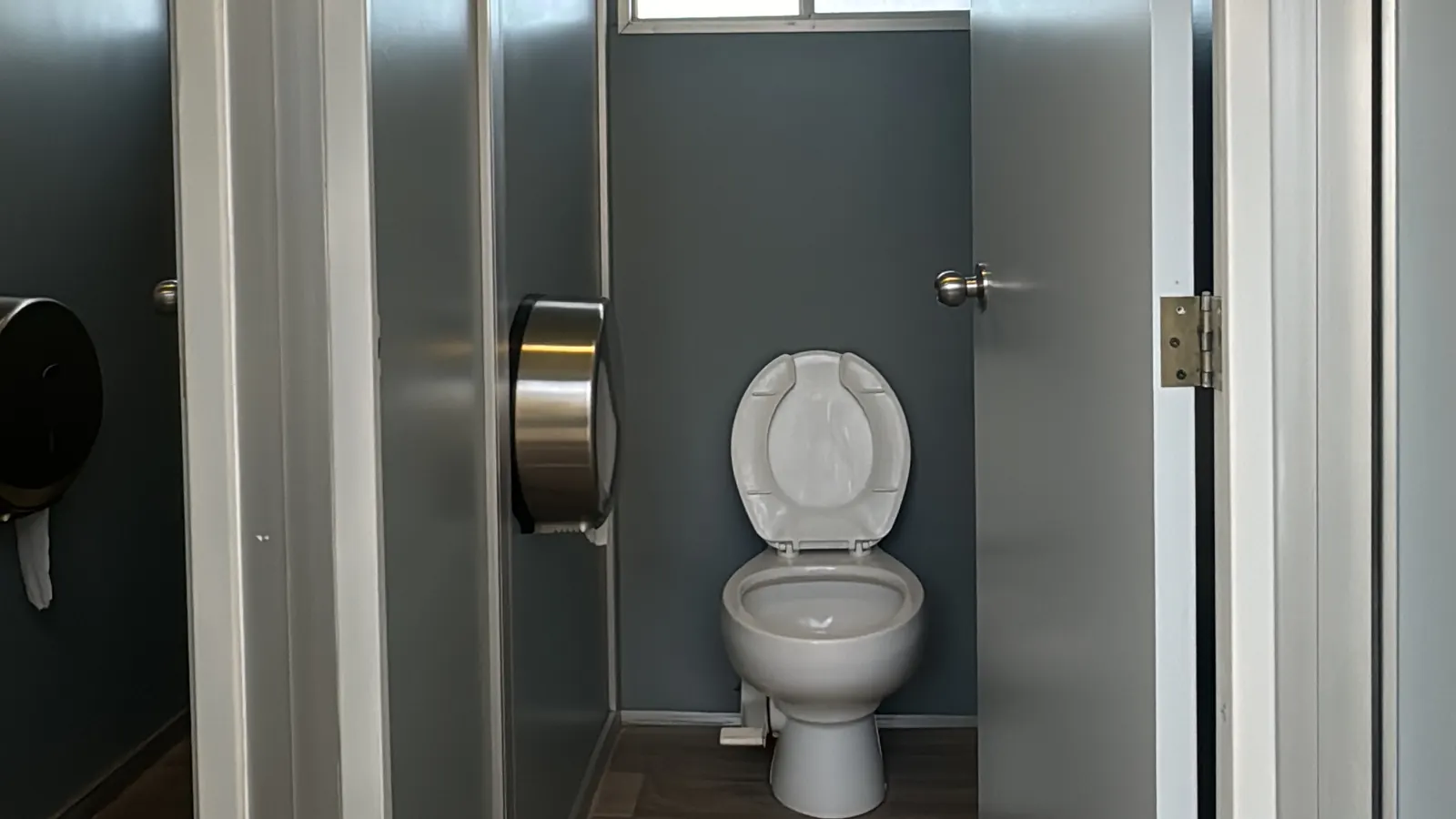
Cleaning portable toilets at an event: who does what
During the event, the provider handles pumping the tank, cleaning surfaces and restocking paper, soap or sanitizer and deodorizer. You, as the producer or organizer, make sure the truck can get in, there is light and patrol staff, and someone tells the provider in time.
This is industry practice, not a Mexican regulation. Every event is different, so confirm with your provider what their service includes.
Split the work like this:
- Provider: pump the tank, clean surfaces and restock paper, soap or sanitizer, towels and deodorizer. The deodorizer effect does not last long, which is why it is restocked at every visit.
- Producer or organizer: keep a clear route for the truck, light the restroom areas, put staff on patrol and tell the provider when a unit needs attention.
Before doors open: preparation checklist
Before doors open, check that every unit has toilet paper, hand sanitizer and deodorizer, that the handwashing stations have water and soap, and that the vacuum truck has a wide, clear route. Also group toilets, sinks and trash bins in well-lit spots.
Use this list before opening time:
- Deodorizer: ask the provider to confirm that every tank has deodorizing chemical.
- Starting supplies: toilet paper and hand sanitizer in every unit, with a reserve on hand to restock.
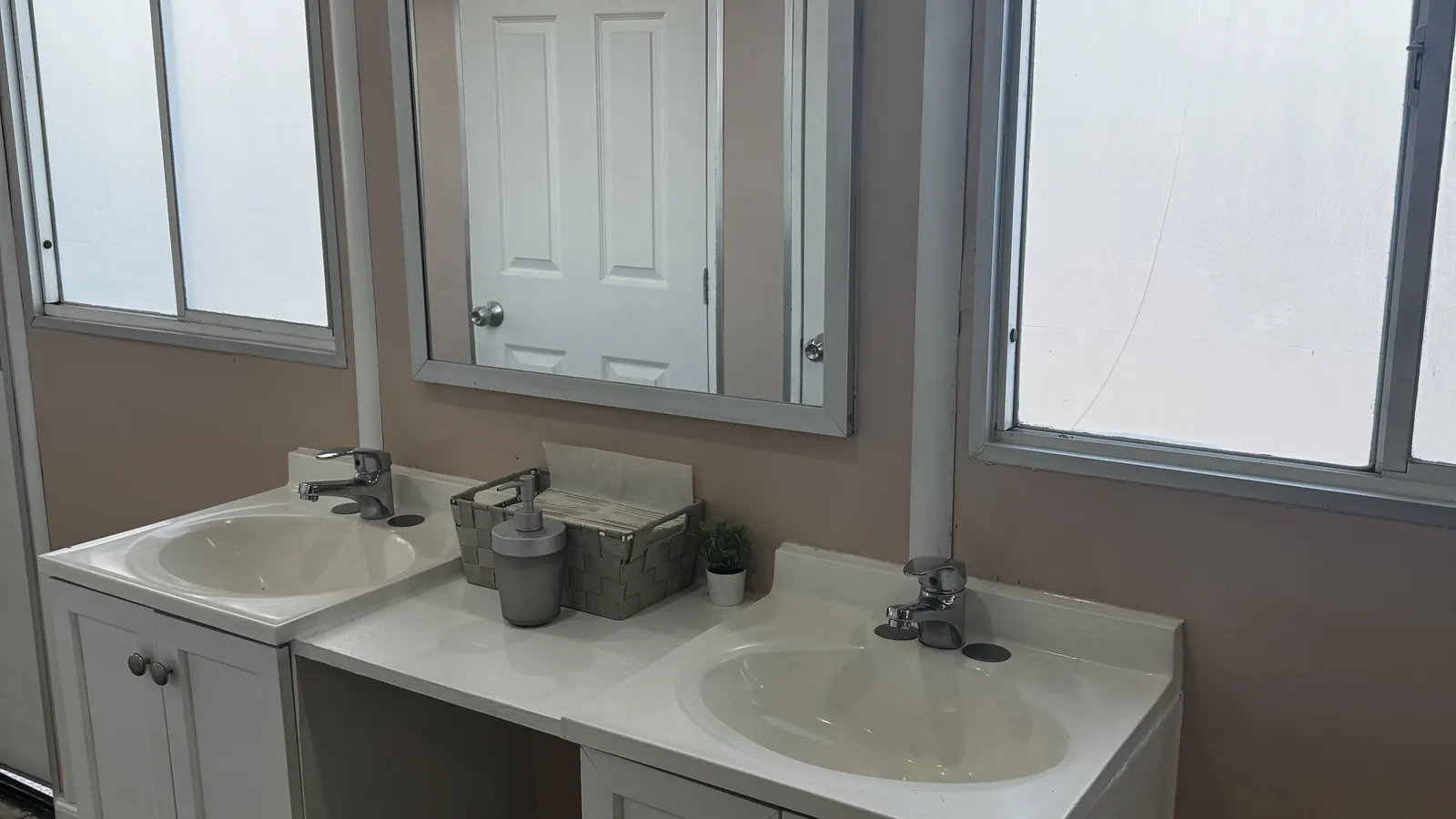
- Handwashing stations: water, soap or sanitizer, drying paper and an empty bin.
- Truck route: a wide path, free of tables, barriers and parked vehicles.
- Unit placement: a Western Australia reference asks that, at events longer than 4 hours, toilets be placed where a truck can pump them during the event.
- Lighting: restroom areas with enough light for the whole night.
How often to check: round schedule by time slot
Plan rounds by time slot: one full check before opening, periodic rounds during the event and a final check at closing. Health authorities for public events in Australia call for a cleaning program with suitable intervals. The exact interval depends on attendance and duration, and you set it with your provider.
A simple schedule looks like this:
- Before opening: full check of supplies, handwashing stations, light and truck route.
- During: rounds at peak hours, plus an extra round before a big moment in the program, such as a headliner letting out.
- At closing: one last round to check for damage and missing items.
Ask your provider for the time of each visit in writing and place it next to your own rounds, so they do not overlap or leave gaps.
During the event: rounds, restocking and handwashing stations
During the event, set up a team that walks the site at peak hours, restocks paper and sanitizer continuously and empties trash bins before they overflow. Get ahead of complaints: it is easier to restock on time than to fix an empty unit in the middle of a peak hour.
These tasks are yours during the event:
- Peak-hour rounds: assign people to check unit by unit and report what is missing.
- Trash bins: empty them before they fill up, including the ones at the handwashing area.
- Handwashing stations: refill water and soap or sanitizer throughout the event and check the drying paper.
- Log: note the time of each round and what you restocked, to learn which units need more.
Signs you need extra service
Ask for extra service when you notice a strong smell, a nearly full tank, empty sanitizer dispensers or damaged doors. Your patrol staff should know which signs to look for, whom to alert and what to report: the zone or the unit number.
Standard, VIP or trailer: what cleaning to expect
The cleaning you can expect depends on the unit and the service you hire, not only on the type of toilet. Ask Luvory what the service for your date includes before you request a quote: provider visits, on-site staff and restocking. If you use standard toilets, plan more rounds of your own.
Handwashing stations also belong in your round plan. According to Luvory's catalog, the Super Luxury Toilet has a built-in sink and the Basic, 5W, Zapata and Prestige trailers include sinks. If your event has a premium area, look at the VIP toilets, the basic portable toilets and the sanitary trailers. If you are still comparing formats, see the portable toilets for events.
At closing: pickup and final check
At closing, keep the route clear for the vacuum truck, tell the provider the real end time and do one last round to check for damage and missing items. According to provider guides, each service visit includes pumping the tank, cleaning surfaces and restocking paper, soap or sanitizer and towels.
Note any damaged units and report them to your provider the same day.
Venue rules and permits: what to check
Before hiring, ask the venue and local authorities which rules apply to your toilets and to truck access. We did not verify a Jalisco rule on service frequency, so we do not assume one. References from other countries, such as Australia, are not mandatory in Mexico.
For comparison, on construction sites in the United States, OSHA requires clean, working and stocked toilets, with handwashing stations next to them. It does not apply in Mexico, but it shows what a basic operation is expected to offer. Also ask the venue whether it has its own placement rules.
Frequently asked questions
These answers cover common questions from producers and venues about cleaning toilets during a concert, festival or wedding. They come from provider guides and references from other countries, not from a Mexican regulation, and when a detail depends on your event we tell you to confirm it with your provider.
How often are portable toilets cleaned at an event?
There is no verified universal interval for Mexico; it depends on attendance and duration. Ask your provider for a written schedule with the time of each visit, and combine it with your own check rounds.
How should the pumping truck get in?
A reference from the municipality of Mundaring, in Western Australia, says that at events longer than 4 hours toilets should be placed so a truck can pump them during the event. It is a reference, not a Mexican regulation. Check access with your venue.
Who does the rounds, the provider or the producer?
It depends on what your contract includes. Ask Luvory what the service for your date covers and plan the restocking and reporting rounds with your own team.
Does this guide say how many toilets I need?
No, this guide covers operations during the event. For quantity, use the toilet calculator or read how many toilets you need.
Sources
This guide relies on a provider guide for what each service visit includes and on references from other countries for the round schedule and truck access. They are practices and references, not Mexican regulations: use them as a starting point and confirm the details with your provider and the venue.
The references from the ACT health authorities (Australia), the municipality of Mundaring and OSHA were seen only in search results; their pages could not be fully opened, so we do not link them.
Request a quote for your concert or festival
To get a quote, message us on WhatsApp with the date, the venue, the attendance, the duration and whether alcohol will be served. With that we confirm the quantity and type of unit. Luvory serves Guadalajara, Zapopan, Tlaquepaque, Tonalá, Tlajomulco de Zúñiga, El Salto, Tequila and Jalisco, with more than 100 events served.
Request a quote for your date: message us on WhatsApp. See the full catalog of portable toilets in Guadalajara, portable toilets for events and premium sanitary trailers.